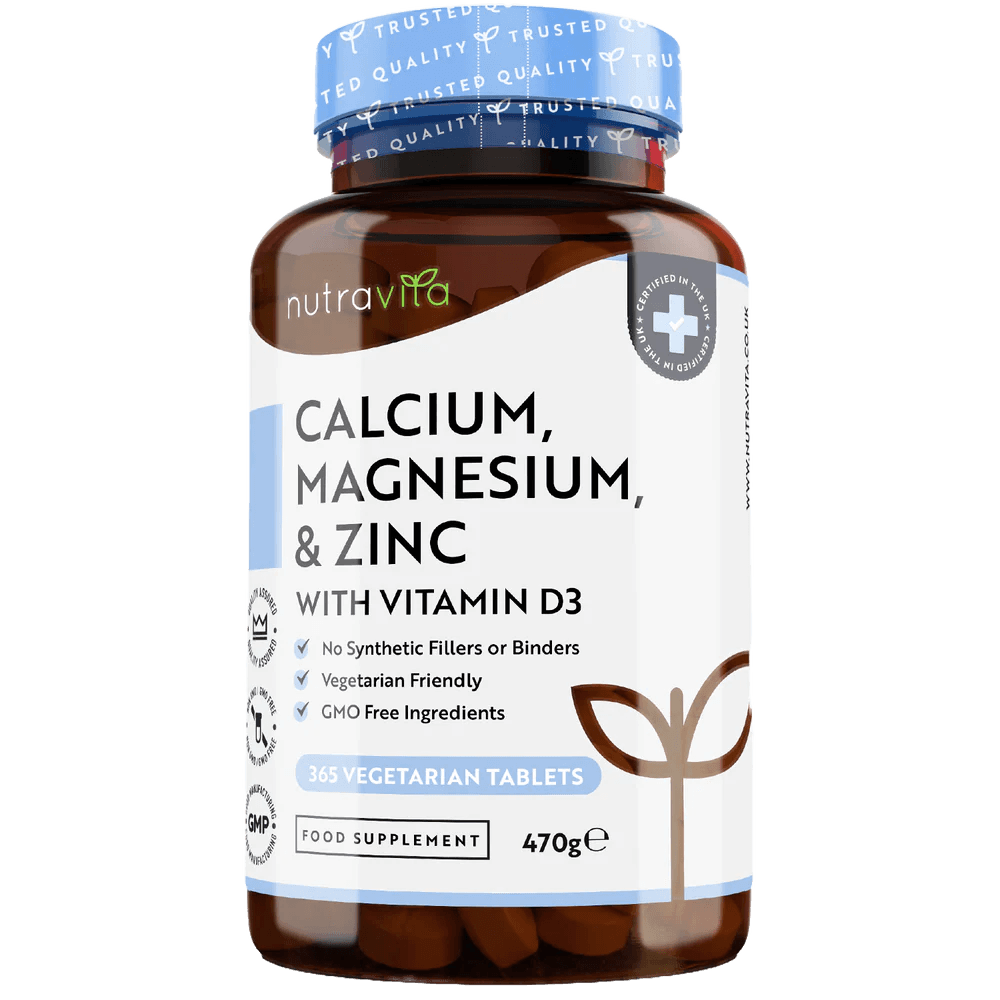
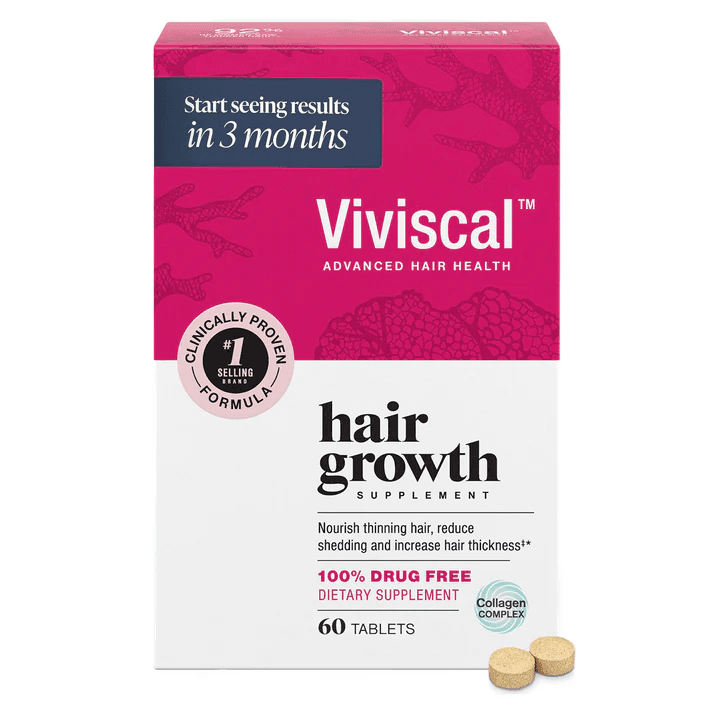
Nutravita Calcium Magnesium Zinc Vitamin D3 VS Viviscal Hair Growth Supplement


OVERVIEW
WHAT THEY ARE
These products both have vitamins and minerals with a total of 5 ingredients and sub-ingredients in common.
FREE FROM
These products are both free from gluten, gmo, sugar, artificial sweeteners and flavour.
Key Ingredients side-by-side
Click on any item bellow to reveal more details
Vitamins
Organic micronutrients
Minerals
Inorganic micronutrients
Vitamins
Organic micronutrients
Minerals
Inorganic micronutrients
Specialty compounds
Functional ingredients
Botanicals
Plant extracts
Ingredients Highlights side-by-side
Click on any item bellow to reveal more details
Full Ingredient List
Ascorbic acid is a water-soluble vitamin naturally present in many fruits and vegetables. It’s also commonly used in multivitamins or standalone vitamin C supplements and is valued for its role in supporting the body’s daily functions.
Ascorbic acid plays several key roles in the body. It supports the formation of collagen, the protein that helps keep skin, bones, blood vessels, and connective tissues strong. It also aids in iron absorption from plant-based foods and helps the body convert food into energy. In addition, it functions as an antioxidant, helping protect cells from everyday oxidative stress.
The terms vitamin C and Ascorbic acid are often used interchangeably because Ascorbic acid is the pure chemical form of vitamin C and the one most commonly used in supplements. However, not all vitamin C products contain Ascorbic acid alone; some use mineral ascorbates or other forms that differ slightly in acidity and tolerance for some people.
Ascorbic acid is generally well tolerated at normal intake levels. Still, people with kidney stones or iron overload (hemochromatosis) may need to be cautious with large doses, as vitamin C can increase iron absorption and affect oxalate levels.
The way Ascorbic acid is made also varies. Synthetic Ascorbic acid typically starts with a plant-based sugar such as glucose from corn or cassava. This sugar goes through fermentation, then chemical conversion and purification to produce pure Ascorbic acid.
In contrast, natural vitamin C is obtained directly from fruits or plant extracts through extraction and concentration, without chemical synthesis. Despite these differences in production, synthetic and natural Ascorbic acid are chemically identical and work the same way in the body. Studies show no meaningful difference in their biological activity.
Ascorbic acid is also vegan-friendly, since it’s usually made from plant-derived sugars and does not involve animal ingredients. However, exceptions can occur if animal-based processing aids are used, so checking for vegan certification is the best way to be sure.
In the body, Ascorbic acid is absorbed in the small intestine through specialized transporters that move it into the bloodstream. The body takes it up efficiently at moderate doses, though absorption naturally decreases when very large amounts are consumed. Once in circulation, it’s distributed to tissues such as the skin, liver, and immune cells, with any excess eliminated through urine.
Because of its versatile role, Ascorbic acid can be especially helpful for people with limited fruit and vegetable intake or higher nutrient needs due to lifestyle or environment. Overall, it provides a simple and reliable way to support the body’s normal functions that depend on vitamin C.
Nutritional Information side-by-side
Per serving
Serving size: 2 tablets
Serving size: 1 tablet